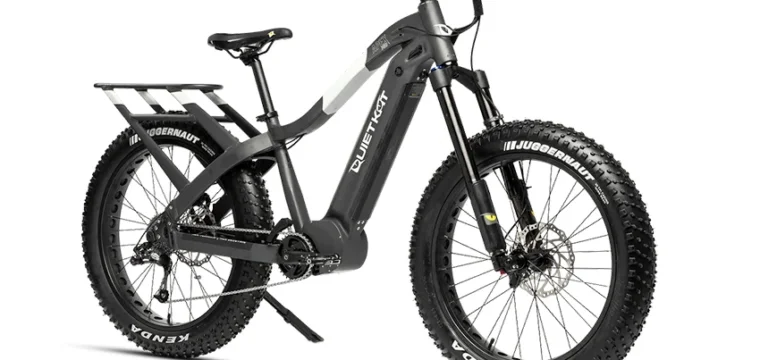
Class 4 e-bikes don’t technically exist in U.S. law. The system only recognizes three classes: Class 1, Class 2, and Class 3. But as faster, more powerful bikes started showing up—machines capable of 30, 40, or even more miles per hour—riders and brands needed a way to talk about them. That’s where the term “Class 4” came from. It’s unofficial, but it stuck. Today, you’ll hear it used everywhere to describe e-bikes that go beyond the 28 mph limit and often pack motors larger than 750 watts.
We’ve been following these bikes closely for nearly nine years. That means we’ve seen their evolution firsthand—from the first experimental high-power models to today’s refined machines. With that experience, we’ve learned what new riders often don’t expect, the good and the not-so-good.
Here are 11 things I wish I had known before rolling a Class 4 out of the shop.
Class 4 e-bikes are the wild ones of the e-bike world. They go faster than 28 mph, pack motors bigger than 750 watts, and blur the line between bicycle and moped. The term itself started showing up around the mid–2010s, when brands like Super73 and Sur-Ron began releasing models capable of 30–40 mph. Riders needed a way to describe them, and “Class 4” stuck—even if it isn’t officially part of U.S. law.
We’ve been following these bikes closely for nearly nine years. That means we’ve seen their evolution firsthand—from the first experimental high-power models to today’s refined machines. With that experience, we’ve learned what new riders often don’t expect, the good and the not-so-good.
Here are 11 things I wish I had known before rolling a Class 4 out of the shop.
1. It’s Not Just “Another E-Bike”
When I first got on a Class 4 e-bike, I expected it to ride like a regular e-bike—just faster. What I quickly learned is that it’s an entirely different experience. These bikes don’t just give you a boost; they deliver motorcycle-level speed and power.
What I liked most was the thrill of acceleration. Hitting 30 mph on a bike felt effortless, and for commuting, it cut serious time off my usual routes. But my suggestion is to respect that speed right from the start. Braking distances are longer, corners feel tighter, and you need to plan every move more carefully than on a standard e-bike.
Another aspect I didn’t consider at first was where I could ride. Class 4 bikes aren’t welcome on bike paths in most places, and in many states they fall under moped laws, meaning registration and insurance. That surprised me and changed how—and where—I used the bike.
My suggestion: don’t think of a Class 4 as a simple upgrade. Think of it as stepping into a new class of vehicle. If you’re ready for that shift, the payoff in speed and freedom is absolutely worth it.
2. Speed Comes With Trade-Offs
One of the first things I noticed about my Class 4 e-bike was how fast it could go—and how quickly that speed changed the ride. Cruising at 30 mph felt incredible on open roads, but it also came with limits I didn’t expect.
For example, range. At full power, the battery drained far faster than I was used to. On my old Class 2, I could stretch a ride for hours. With the Class 4, the thrill of high speed meant shorter trips unless I carried a spare battery or kept the assist dialed back.

More speed means more protection—invest in a better helmet, gloves, and lights.
Another trade-off was comfort. At 30 mph, every bump in the road felt sharper, and I found myself upgrading to wider tires and better suspension. It made a huge difference, but it was an expense I hadn’t budgeted for at first.
What I liked, though, was the freedom. Riding at traffic speed let me keep up with cars in the city, which felt safer than constantly being passed.
My suggestion: if you buy a Class 4 for the speed, plan for the trade-offs—shorter range, more wear on components, and the need for comfort upgrades. It’s worth it, but only if you’re prepared.
3. Braking Power Matters More Than You Think
The first time I took my Class 4 e-bike down a long hill, I realized just how different stopping feels at higher speeds. On my older bike, rim brakes were enough. On this one, they wouldn’t have stood a chance.
What I liked was how confident I felt once I upgraded to hydraulic disc brakes. The stopping power was sharp and consistent, even in the rain. That gave me peace of mind, especially when riding in traffic where sudden stops are unavoidable.
But here’s the part I didn’t expect—brakes on a Class 4 wear out much faster. At 30 mph, the force and heat are simply greater, and I found myself replacing pads and rotors more often than before. It wasn’t a dealbreaker, but it taught me to stay ahead on maintenance instead of waiting for issues.
My suggestion: don’t compromise on brakes. If your Class 4 doesn’t already come with high-quality hydraulic discs, invest in them right away. At these speeds, stopping safely isn’t just a nice feature—it’s what makes the whole ride possible.
4. Range Is Never What You Expect
When I first got the QuietKat Apex, the specs promised a lot—some versions quoted 24-48 miles on a full charge. That looked good on paper. But once I started riding it hard, things changed. At 30 mph, with throttle often on boost, the battery didn’t last half that. Realistically, I got about 15-20 miles before needing to dial back or recharge.
What I liked though was how much control I discovered. If I rode mostly in eco or mid-assist modes, pedaled along hills rather than relying entirely on motor power, that Apex stretched its range far more. Doing that saved battery, made the ride more predictable, and let me go farther than I first believed I could.
My suggestion: always treat the advertised range as a “best-case” scenario. Use the bike gently, mix in pedaling, and expect your real distance to drop fast when you push speed. If you plan longer rides, having a backup battery or charger makes a huge difference.
5. Tires Make or Break the Ride
When I first got on a Class 4 e-bike, I underestimated just how much the tires would shape the ride. Wide, fat tires gave me a sense of control and confidence, especially on dirt, gravel, and loose surfaces. At higher speeds, that stability made all the difference.
What I liked most was the comfort. Those big tires soaked up bumps and smoothed out uneven ground better than I expected. But there was a trade-off—on pavement, they felt heavy, created more drag, and noticeably cut into my range. At 30 mph, you really start to feel the resistance.

Grip is everything. Wide tires add control, narrow ones add speed—choose wisely
On the other hand, narrower tires rolled faster on smooth roads, made the bike feel lighter, and helped me squeeze out a few extra miles per charge. The downside? Less grip and a harsher ride when the path wasn’t perfect.
My suggestion: match your tires to your riding style. If you’ll be exploring trails or mixed terrain, go wide for stability and comfort. If commuting or road use is your main goal, a slimmer setup will make your Class 4 feel quicker and more efficient.
6. Comfort Isn’t Guaranteed
Speed feels great—until your body reminds you of the little things. On one ride, I realized my shoulders were tense, my hands were buzzing from vibration, and the saddle that once felt fine suddenly felt like a plank. Going faster just magnified every discomfort.
What I liked was learning how much difference a few tweaks could make. A suspension seatpost softened the rough spots, better grips cut down on the buzzing, and a slight handlebar adjustment made longer rides much more enjoyable. None of those upgrades were flashy, but they completely changed how the bike felt.
Another surprise was posture. Sitting bolt upright might work on a cruiser, but at higher speeds, leaning slightly forward actually gave me more stability and took pressure off my back. It wasn’t what I expected, but it worked.
My suggestion: don’t assume comfort comes standard. Small adjustments—seat, bars, grips—turn a harsh ride into one you actually look forward to. It’s worth the effort.
7. Maintenance Is Part of the Deal
The more powerful the Juiced Hyperscorpion is, the more attention it demands. I didn’t fully appreciate that at first. After just a few weeks of riding hard, the chain started feeling gritty, the brakes squeaked, and bolts needed retightening. Nothing was broken—but it was clear this wasn’t a “set it and forget it” machine.
What I liked was how simple most fixes were once I got into a routine. A quick chain clean, checking brake pads, and keeping tires topped up kept the Hyperscorpion running like new. It became less of a chore and more of a habit, almost like checking oil in a car.
The surprise was how fast parts wore down. At 30 mph, brakes and drivetrains take more stress, and you notice it sooner than on a slower bike. That meant replacing pads and lubing the chain more often than I had with my older e-bikes.
My suggestion: treat maintenance as part of owning a Class 4. Build a simple weekly routine, and you’ll save yourself bigger repairs down the line—and keep your Hyperscorpion safe and smooth to ride.
8. The Law Isn’t Always on Your Side
One of the most surprising things I learned after buying my Class 4 was that I couldn’t ride it everywhere. Bike paths, multi-use trails, even some city streets were off-limits. In many states, these bikes fall under moped or motorcycle rules, meaning registration, insurance, and sometimes even a license.
What I liked was the power and freedom on open roads—keeping up with traffic felt safer than constantly being passed. But it also meant I had to plan routes differently. Places I used to cut through on my old e-bike were suddenly out of reach.

Can you ride it in your city? Class 4 rules vary—know before you go.
The tricky part is that laws aren’t the same everywhere. In one county, nobody blinked at me riding. Cross into the next, and technically I could’ve been ticketed. It’s confusing, and it caught me off guard more than once.
My suggestion: check the rules where you live before you buy. Know whether you’ll need plates, insurance, or special gear, and don’t assume you’ll be able to ride on bike trails. It’s better to adjust expectations early than to deal with frustration later.
9. The Price Doesn’t End at Checkout
Buying a Class 4 e-bike is only the beginning. The real cost shows up in the extras—insurance, protective gear, stronger locks, spare batteries, and even upgraded components. Each one feels small, but together they can match a big chunk of the bike’s original price.
What I liked was how those upgrades improved the ride. A full-face helmet gave me peace of mind at 30 mph, brighter lights made night rides safer, and a sturdier lock meant I wasn’t nervous leaving the bike parked. They weren’t cheap, but they turned the bike from “fast” into “practical.”
The biggest surprise was the battery. Running at top speed drained it so quickly that I eventually invested in a second one. That single purchase nearly equaled the cost of a budget e-bike.
My suggestion: set aside a budget for add-ons before you buy. Plan for safety gear, accessories, and maybe an extra battery. It’s not just about the bike—it’s about making sure you can ride it confidently and comfortably.
Related: How Fast Can E-Bikes Go?
10. You Can’t Ride Everywhere
One of the hardest lessons to swallow was realizing that a Class 4 isn’t welcome everywhere. Bike trails, shared paths, and parks that felt natural on my old e-bike were suddenly off-limits. At first, it felt frustrating—I had this powerful machine but fewer places to legally enjoy it.
What I liked was how freeing it felt on the open road. Being able to keep pace with traffic made commuting smoother and, in some ways, safer. Cars treated me less like a cyclist and more like another vehicle, which meant fewer close passes.
The catch is that rules change depending on where you live. Some states classify Class 4s as mopeds or motorcycles, while others barely mention them. That gray area can leave you guessing, and not every officer or driver interprets the law the same way.
My suggestion: before you buy, look closely at where you’ll actually be allowed to ride. If your area restricts Class 4s heavily, you may find yourself limited to roads only. Knowing that ahead of time saves disappointment—and helps you plan the kind of rides you’ll really enjoy.
11. Safety Becomes Non-Negotiable
At 30 mph, mistakes hit harder. That’s the simple truth of owning a Class 4. A skid on gravel, a car pulling out, even a sudden stop—all of it carries more risk than on a slower e-bike.
What I liked was how wearing the right gear gave me real confidence. A helmet built for higher speeds, gloves with solid grip, and brighter lights all made me feel prepared instead of nervous. Riding defensively, leaving more space, and signaling clearly also became second nature.
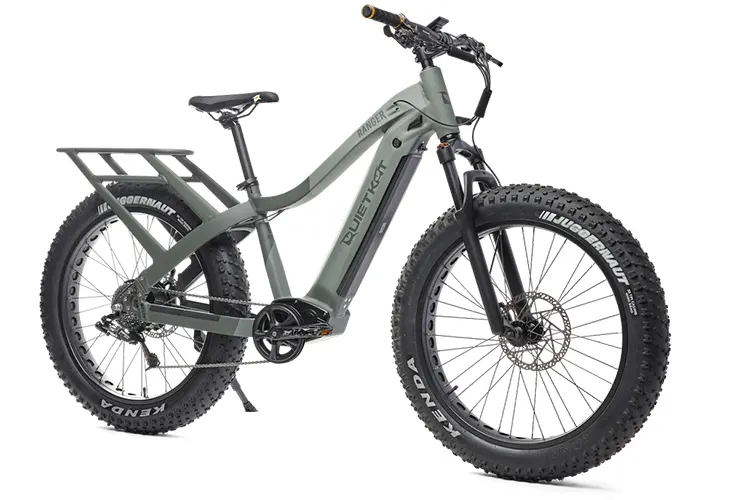
Your blank bike isn’t complete—add lights, mirrors, and stronger brakes for peace of mind.
The surprise was how different drivers treated me. Some gave me more respect on the road, while others seemed unsure whether I was a bike or a motorcycle. That meant I had to ride like both—visible, predictable, and cautious.
My suggestion: if you’re stepping into Class 4, treat safety as part of the package. Gear up properly, give yourself extra reaction time, and respect the speed you’re riding at. It’s not about fear—it’s about making sure every ride ends as well as it starts.
Final Thoughts
After nine years of riding and testing e-bikes, I can honestly say that Class 4 models stand apart. They’re not just faster—they demand a different mindset. Here’s how I’d sum it up:
What I Liked
- Riding at traffic speed felt safer and smoother than being passed constantly.
- The thrill of acceleration and raw power never got old.
- With the right setup, commuting and longer trips became faster and more practical.
What I Didn’t Like
- Range dropped quickly when riding at full throttle.
- Extra weight and higher speeds meant more wear, more maintenance, and higher costs.
- Legal restrictions made it harder to find places to ride freely.
My suggestion: if you’re considering a Class 4, don’t treat it as “just another e-bike.” Think of it as a step into motorcycle territory—more power, more responsibility, but also more freedom. If that balance excites you, a Class 4 could be the best ride you’ve ever owned.
Your Feedback is Important!